
Trees on Dartmoor
“Any use of herbicide on the common land and legally protected habitats of Dartmoor is an attack on those that live, work, enjoy, and rely on these landscapes. An attack on everyone working year-round together using public money to restore our peatlands, rebuild vanished habitats, and support nature recovery alongside sustainable farming practices.
Planting trees on Dartmoor is key to wetland function and is backed by scientific and historical evidence. SWPP’s work is subject to extensive consultation with local and national groups, and each site forms part of a vision for the landscapes of the future. A vision widely held by the many partners who support and contribute to the work of the SWPP.
We will be replanting the affected areas as soon as possible and there will be volunteer opportunities for people to get involved with this. Upcoming tree planting on the South West moors will go ahead despite this vandalism.
If you see vandalism, speak up and report it on nature's behalf.”
- SWPP full comment to The Guardian, 27th November 2025
On some restoration sites, alongside other methods including blocking ditches, interrupting underground erosion pipes and reprofiling edges of bare peat, we sometimes plant a mix of native tree saplings such as willow. Some of these species are specialists at growing in wet areas, helping to slow the flow of water and trapping eroding sediment, peat and dissolved carbon. In suitable approved locations this is important for natural flood management and improving the quality and quantity of water leaving the moors. Trees help to create a more diverse habitat for wildlife and stabilise the edge of the peatland.
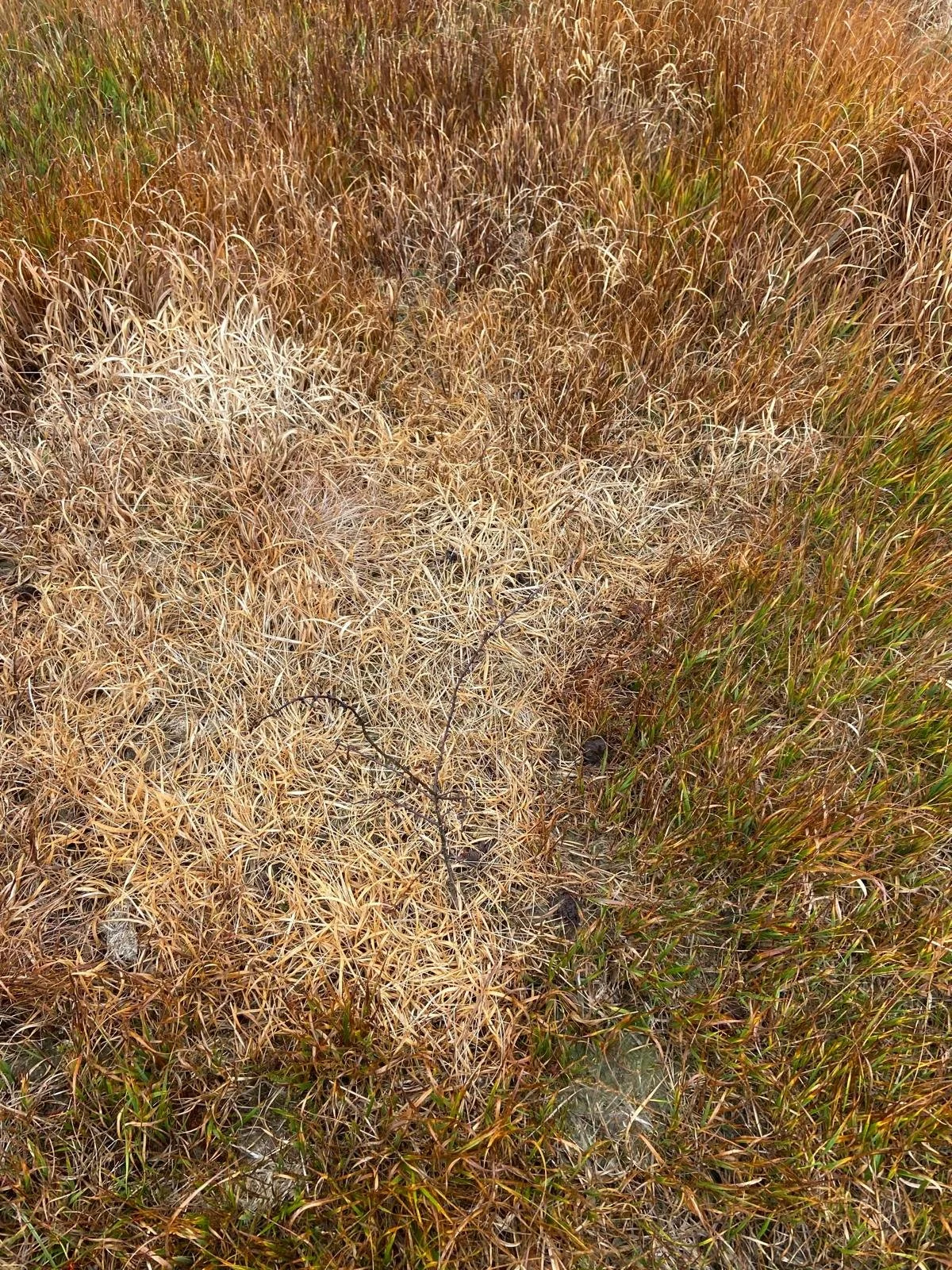
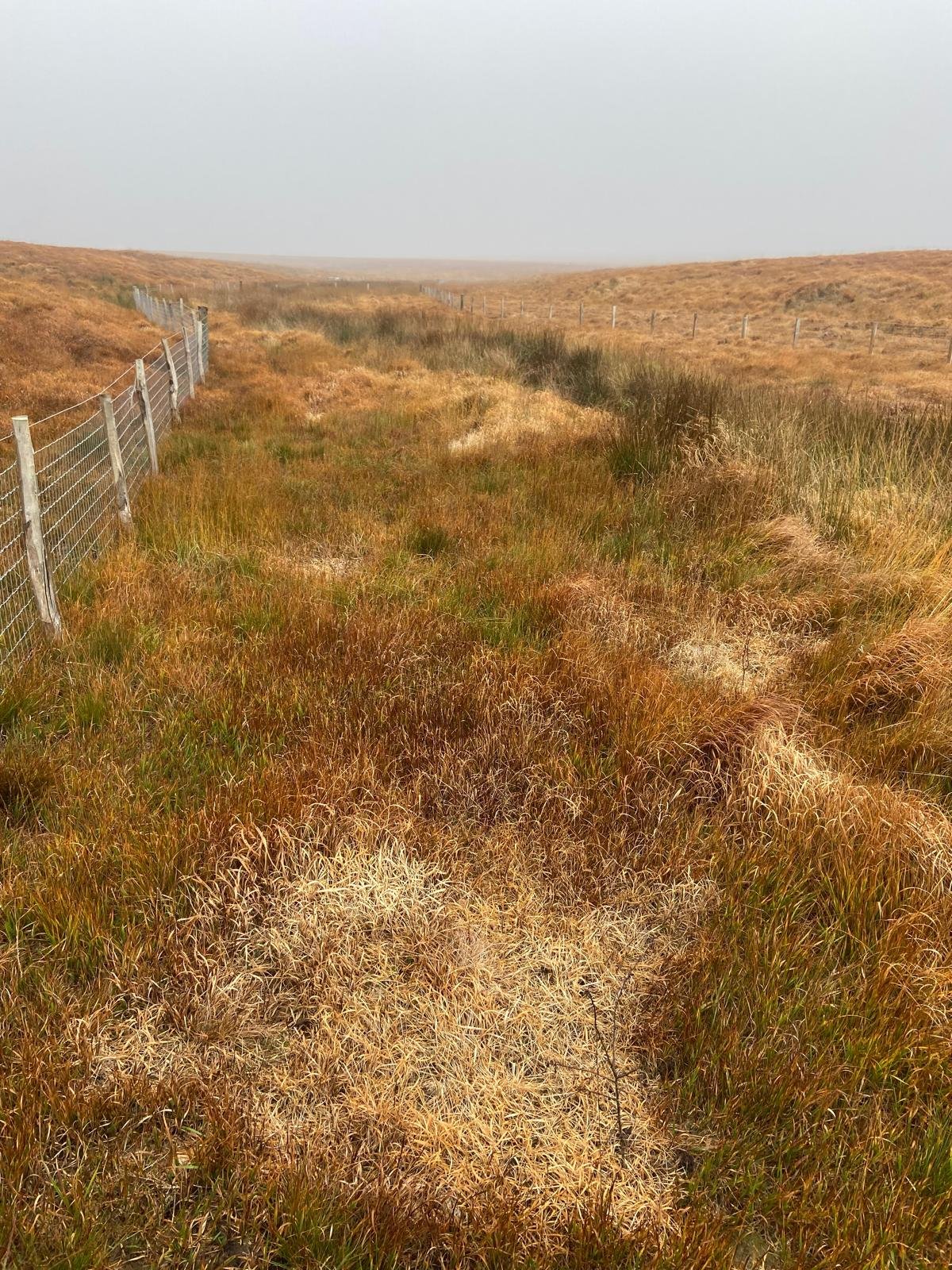
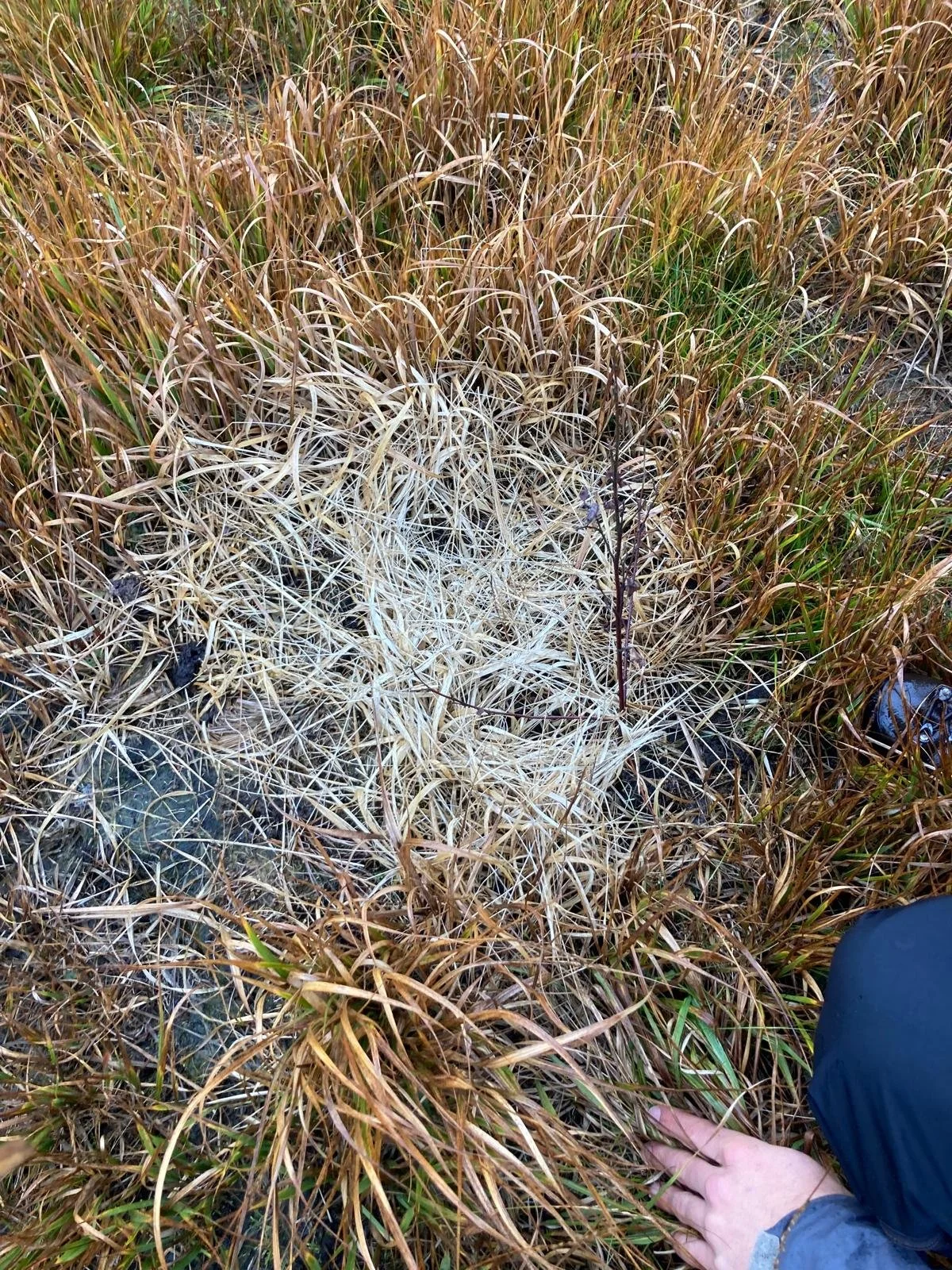
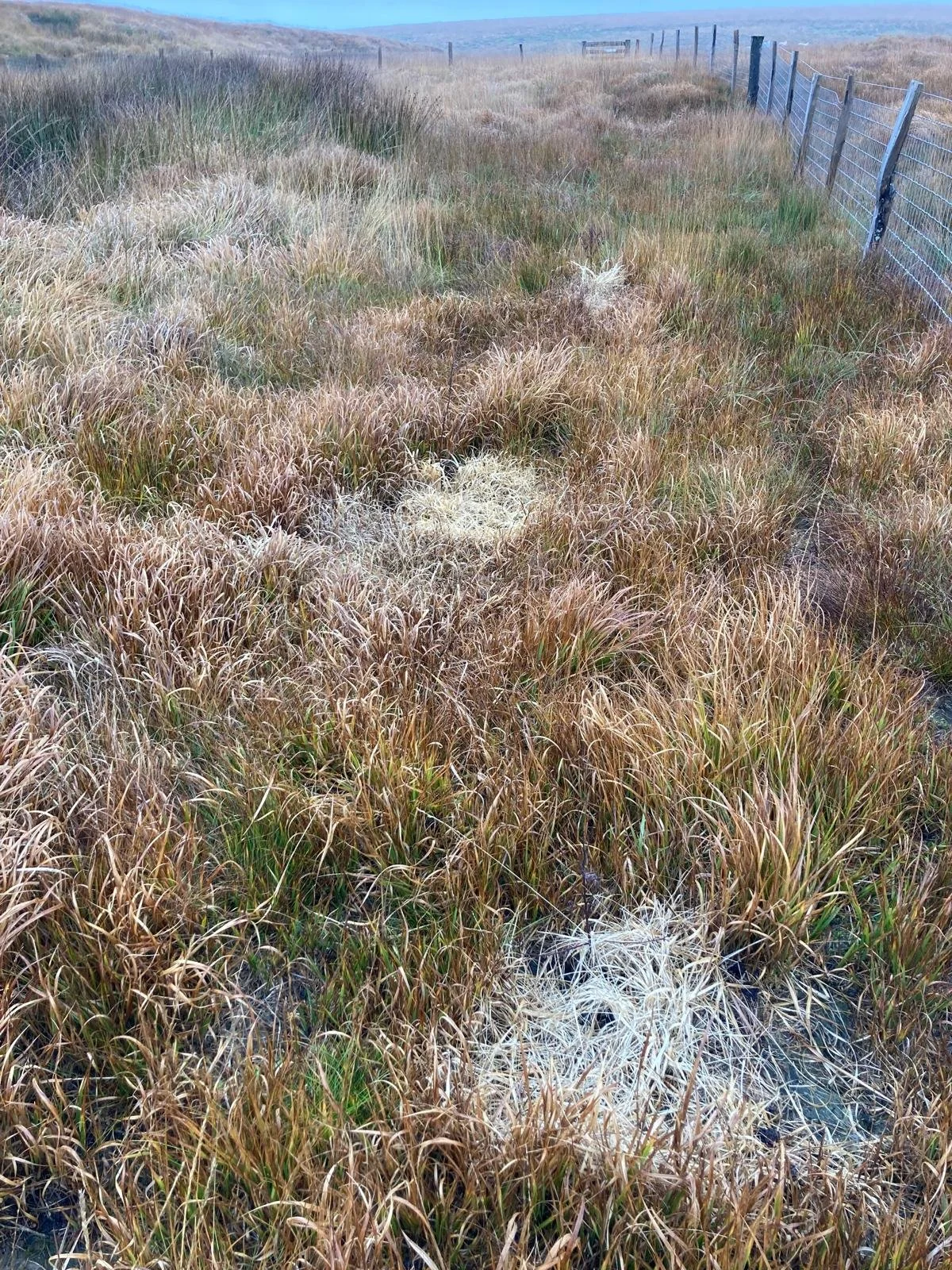
We recently became aware that our planted saplings at Tavy Head on a remote area of Dartmoor had been damaged and sprayed using weedkiller. They are now dead and will be replanted.
Peatlands, especially those of the UK’s South West, need urgent, holistic, determined action to be as resilient as possible to the changing climate. If you follow along with our work, you’ll know that the winter is our busy restoration season, out each day on the moors working with dedicated contractors to block erosion gullies, raise and stabilise the water table in the peat. This all helps to create the conditions needed for important carbon-rich peat to form once more.
The SWPP team will be out on the moors for the rest of 2025 and into the new year, planting trees across several restoration sites, monitoring the impact of our work and you’re very welcome to join our group of 100+ volunteers learning new skills, helping us to make a difference, and spending time in incredible peatland landscapes.